Summer Palace
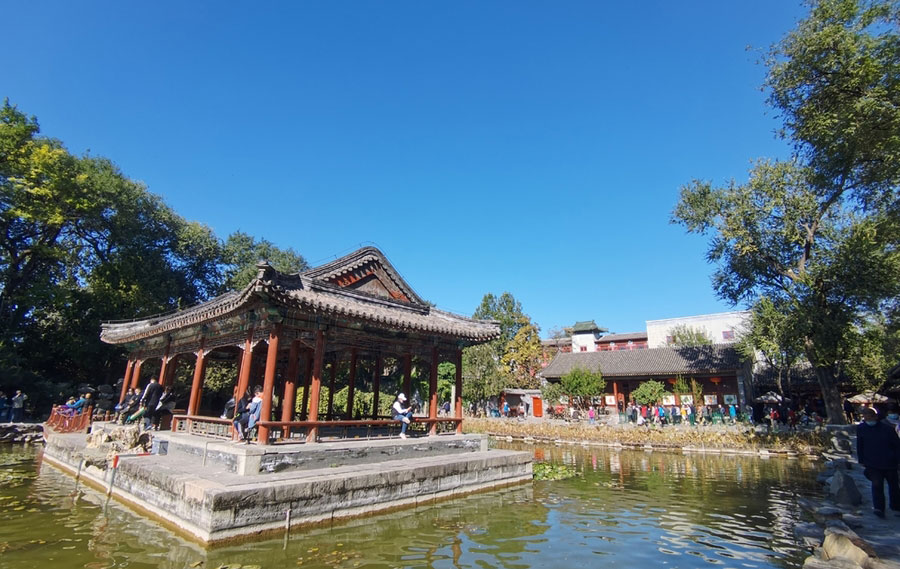
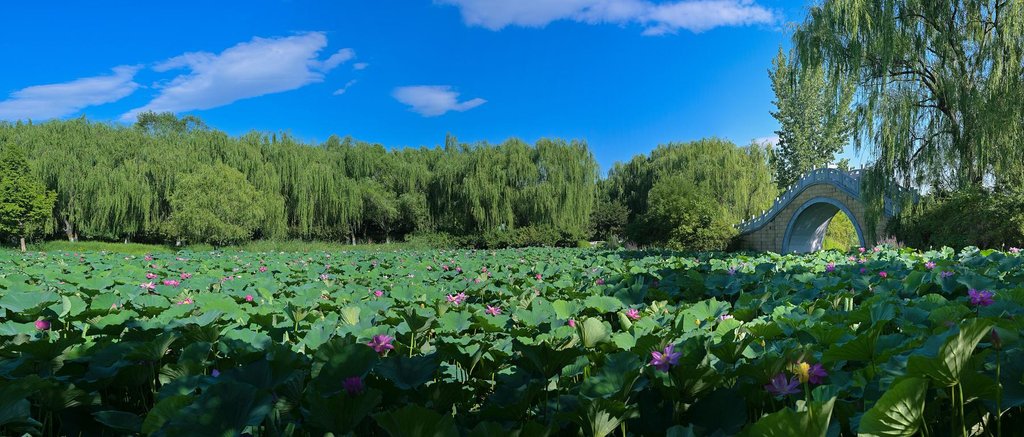
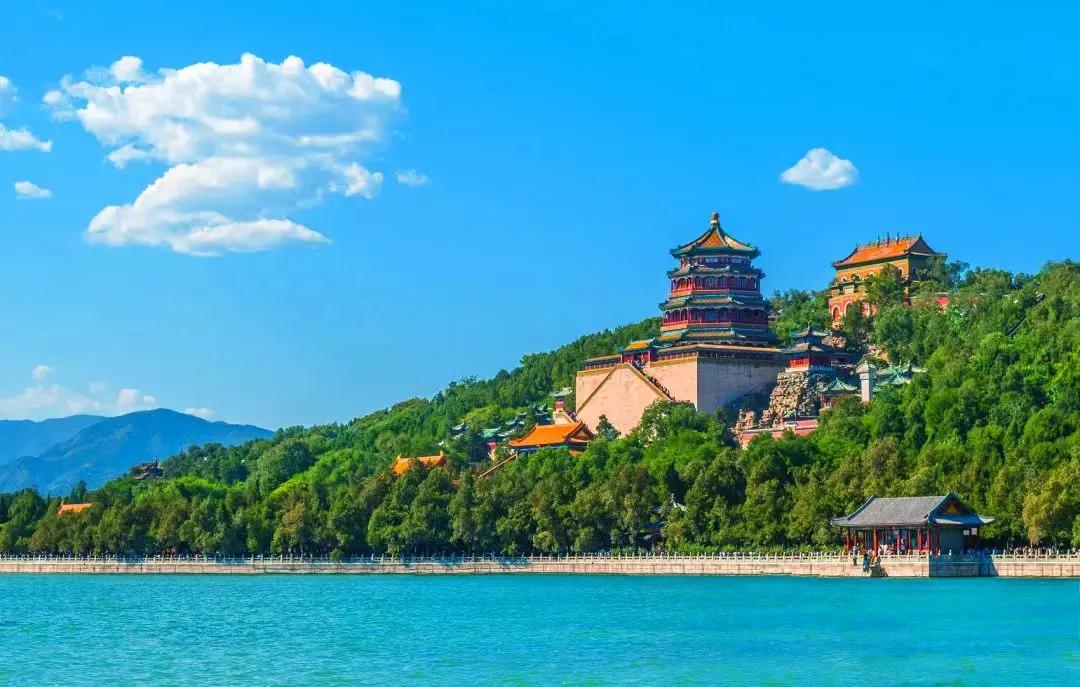
Located in the northwest suburbs of Beijing, the Summer Palace is the largest and best-preserved imperial garden in China, hailed as the "Museum of Imperial Gardens." Its predecessor, the Garden of Clear Ripples (Qingyi Yuan), was originally built during the Qianlong reign in 1750. It was burned down by the Anglo-French Allied Forces in 1860 and later rebuilt under the supervision of Empress Dowager Cixi in 1888, at which point it was renamed the "Summer Palace" (Yiheyuan). The garden is centered on Longevity Hill and Kunming Lake, masterfully blending natural landscapes with man-made architecture to embody the Chinese classical garden philosophy of "made by man, yet appearing as if created by nature." Famous attractions include the Long Corridor (728 meters long, adorned with over 14,000 painted scenes), the Tower of Buddhist Incense, the Seventeen-Arch Bridge, the Marble Boat, and the Garden of Harmonious Interests—each rich with profound historical, cultural, and aesthetic value. Kunming Lake covers three-quarters of the entire park, where visitors can enjoy boating; meanwhile, the halls and pavilions scattered across Longevity Hill offer panoramic views of the capital. The Summer Palace is not only an outstanding representative of Chinese classical gardens but also a UNESCO World Heritage Site, attracting countless visitors from China and abroad to experience its unique charm of elegance and grandeur.