Beijing Olympic Park

⭐ 5.00

No. 15 Beichen East Road, Chaoyang District, Beijing, Beijing Olympic Park Scenic Area
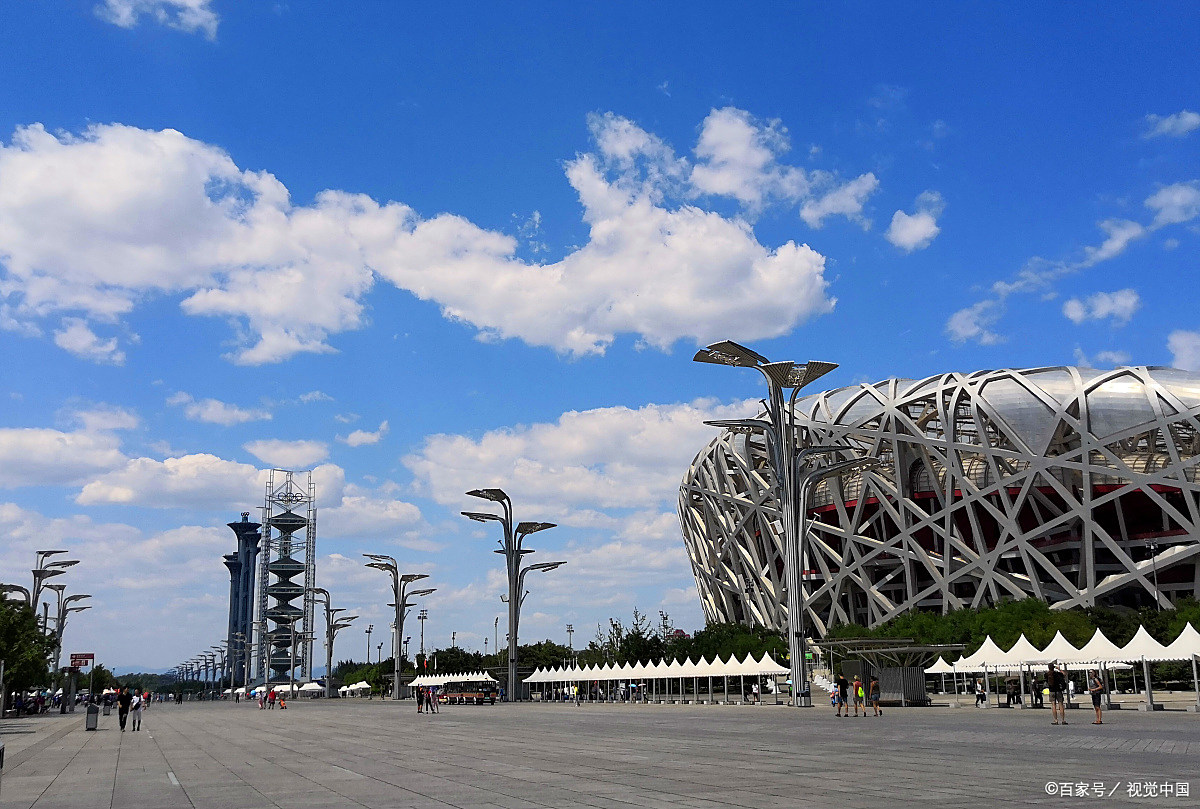
Beijing Olympic Park
After the successful hosting of the 2008 Beijing Olympic Games, the Olympic Park transformed from a competition venue into a public urban open space, carrying the historical memory of China's century-old Olympic dream coming true. Stretching from the North Fourth Ring Road in the south to Anli Road in the north, the park is the world's first comprehensive park that both served Olympic events and has been permanently preserved as a leisure destination for citizens, witnessing Beijing's glorious journey from an ancient capital to an international metropolis. The National Stadium, known as the "Bird's Nest," is world-famous for its distinctive woven steel design, blending traditional Chinese openwork craftsmanship with modern architectural aesthetics. The National Aquatics Center, the "Water Cube," creates a dreamlike aquatic visual effect with its blue membrane structure, shimmering like a blue jewel as its nighttime lights shift and change. One bold and angular, the other soft and rounded, together they form the skyline of Beijing's new landmarks. As an Olympic cultural heritage site, the park serves as the physical embodiment of the sporting spirit and reflects the concepts of a "Green Olympics, High-tech Olympics, and People's Olympics." The Olympic Tower, shaped like the Tree of Life, symbolizes the passing of human civilization from generation to generation, while the玲珑塔 (Linglong Tower) and Olympic sculpture groups vividly recreate the power and beauty of athletic movement, allowing visitors to deeply experience the Olympic spirit of peace and friendship as well as the openness and inclusiveness of Chinese culture. The public areas of the park are open free of charge all day. Admission to the interior of the Bird's Nest is approximately 50 yuan, the Water Cube approximately 30 yuan, and climbing the Olympic Tower requires an additional ticket. Metro Lines 8 and 15 intersect at "Olympic Park Station," providing direct access, and several bus routes also reach the park. It is recommended to enter the park in the evening, allowing visitors to experience the sunset, light show, and refreshing night scenery in one visit for the most complete experience. Visitors can enter through the south gate and follow the central axis landscape avenue to check off core landmarks such as the Bird's Nest, Water Cube, and Linglong Tower, then continue northward to the Olympic Forest Park. The Forest Park boasts the largest man-made green lung in Beijing's urban area, with塑胶 (rubber) walkways suitable for jogging and cycling. Dining options within the park are limited, so it is advisable to bring your own water and light meals, and sun protection and heat prevention are essential in summer.

Traveler reviews

Olympic Park, full name Beijing Olympic Park, is a national AAAAA-level tourist attraction located in Chaoyang District, Beijing. As of 2023, the park covers a ...
⭐ 5 · Robin Hayes Expand
Beijing Olympic Park, located in Chaoyang District, Beijing, China, was started in 2003 and completed in 2008, covering a total area of 11.59 square kilometers. It's a comprehensive civic activity center for the city and also serves as a Beijing patriotism education base and a Chinese red tourism site. The park sits at the northern end of the city's central axis, right by the North 4th Ring Road at Beichen Bridge. Spanning 1,135 hectares, it's divided into three sections: the 680-hectare Forest Park at the north end, the central zone (Zone B) covering 291 hectares where the main venues and facilities are located, and the southern 114 hectares containing already-built venues and reserved land. The Chinese Ethnic Culture Park is also incorporated within the Olympic Park grounds. Built around the Asian Games venues and supported by solid infrastructure, the area has convenient transport, a concentrated population, good municipal facilities, and well-developed commercial and cultural amenities. The park's planning focuses on the city's long-term development and residents' material and cultural needs,...
⭐ 5 · Jamie Cole Expand