Noodles, the evergreen staple on Chinese dining tables, have long transcended their basic role of satisfying hunger to become culinary symbols embodying regional culture and historical memory. From the hearty, chewy noodles of the north to the delicate, aromatic varieties of the south, each classic noodle dish acts like a key, unlocking a door to the local customs and landscapes. Today, let's explore China's top ten noodle dishes and savor the "tales of mountains and rivers" hidden within each bowl.
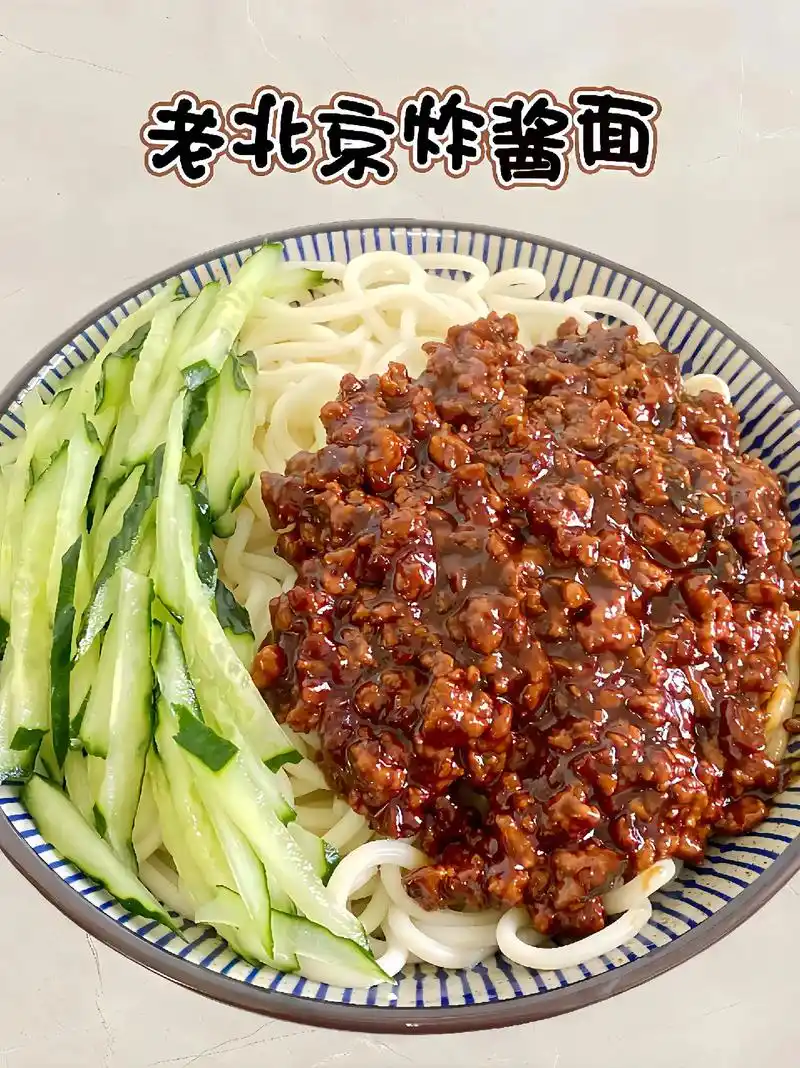
1. Beijing Zhajiangmian: The "Icon of Old Beijing’s Everyday Life"
Historical Origins: Zhajiangmian dates back to the Qing Dynasty. At that time, Manchu bannermen enjoyed slowly stir-frying diced meat with yellow soybean paste and serving it over hand-rolled noodles. Over time, this dish entered everyday urban life, becoming Beijing locals’ ultimate comfort food—so much so that a saying emerged: “Eat dumplings on the Winter Solstice, but zhajiangmian on the Summer Solstice.”
Flavor Profile: The essence lies in the "zhajiang" (fried sauce)—diced pork belly must be perfectly marbled. A blend of dry yellow soybean paste and sweet flour sauce in a 3:1 ratio is simmered until richly fragrant yet never greasy. Accompaniments, known as "mian ma'er," include julienned cucumber, radish, cooked soybeans, bean sprouts, and six or seven other fresh seasonal vegetables neatly arranged around the bowl’s rim, offering crisp freshness that cuts through the richness. One bite delivers a perfect collision of savory depth and refreshing crunch.
Cooking Essentials: Noodles must be hand-rolled and, once boiled, rinsed in cold water (locally called "ba liang") to ensure a firm, springy texture. The sauce requires slow simmering over low heat, allowing the pork fat to fully infuse into the paste. Finally, a spoonful of hot scallion oil is drizzled on top, instantly releasing an intense aroma.
2. Shanxi Daoxiaomian: The "Chivalrous Warrior" of Noodles
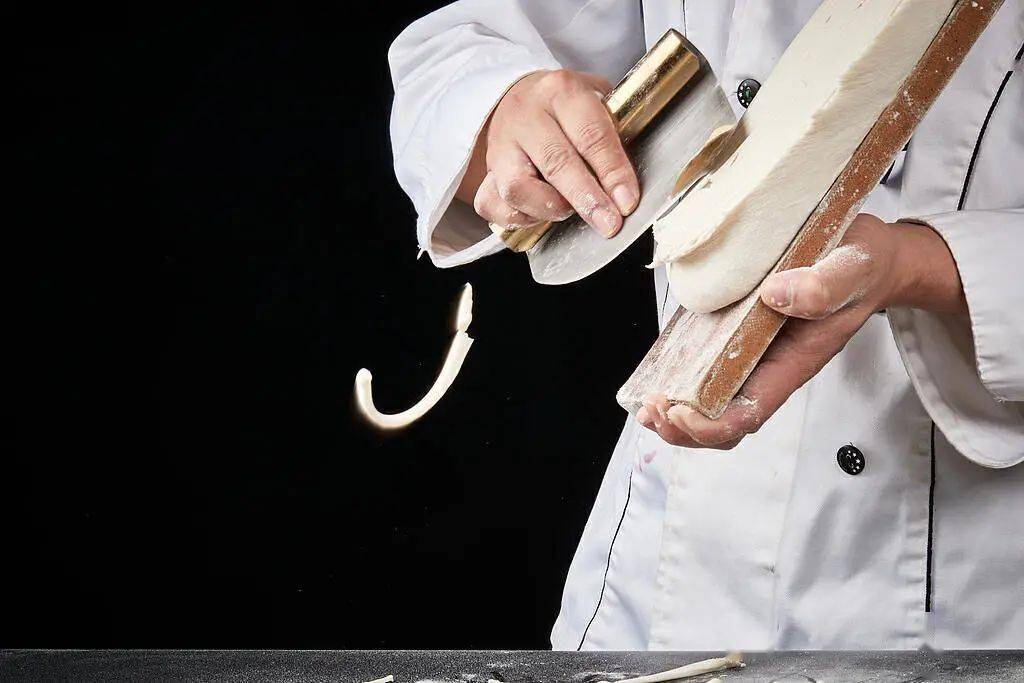
Historical Origins: The origins of Daoxiaomian are debated—some trace it to the Tang Dynasty, others to the Yuan Dynasty. The most popular account claims that during the Yuan era, commoners defied a ban on private knife ownership by using metal shards to shave dough directly into boiling water, eventually evolving into today’s signature technique. Beyond being Shanxi’s iconic noodle, it has also been designated a National Intangible Cultural Heritage.
Flavor Profile: Its unique shape—thick in the middle and thin at the edges, resembling willow leaves—offers a delightfully smooth exterior and chewy interior. Broths come in two styles: clear broth, made by simmering lamb bones for a clean, non-gamey flavor; and "saotang" broth, enriched with diced pork belly, potatoes, and green beans for deep, savory complexity.
Cooking Essentials: Skilled chefs wield a metal blade, keeping it constantly in motion against the dough—"knife never leaves noodle, noodle never leaves board"—producing over a hundred uniform slices per minute. Noodles must be removed from the pot just as they’re barely cooked ("duan sheng ji lao") to preserve their signature chewiness.
3. Lanzhou Beef Noodles: The Northwest’s "One Clear, Two White, Three Red, Four Green" Charm
Historical Origins: Lanzhou beef noodles first appeared during the Jiaqing reign of the Qing Dynasty, created by Hui Muslim Ma Baozi. Originally served as "re guo zi mian" (hot-pot noodles), it evolved over a century into its current form—clear broth, tender beef, and fine noodles—and has since become Lanzhou’s culinary emblem. Locals even say, “If you haven’t eaten beef noodles, you haven’t truly visited Lanzhou.”
Flavor Profile: It follows the principle of “one clear, two white, three red, four green”: clear broth (simmered from beef bones with cardamom, Sichuan pepper, and other spices); white radish slices; red chili oil (fragrant but not overly spicy); and green chopped scallions or garlic chives. Noodles come in seven or eight thicknesses—from ultra-thin "mao xi" to wide ribbons—allowing personal preference. Paired with braised beef slices, each sip of broth and bite of noodle delivers soul-deep umami.
Cooking Essentials: The broth must simmer gently for over eight hours without adding water. The chili oil uses Gangu peppers, and the oil temperature must hit exactly 180°C when poured over the chili flakes to release maximum fragrance without burning.
4. Wuhan Reganmian: Spicy, Nutty Breakfast Delight
Historical Origins: Reganmian was born from serendipity. In the 1930s, Cai Mingwei, a Wuhan vendor who sold cold jelly, began tossing boiled noodles with oil and air-drying them to prevent spoilage in summer. A customer later suggested reheating them with seasonings—and the unexpectedly delicious result quickly became Wuhan’s iconic "guozao" (breakfast) staple.
Flavor Profile: Its heart is sesame paste—made from freshly ground white sesame seeds blended with fragrant sesame oil to a thick, luscious consistency that clings to alkaline noodles, delivering deep, nutty richness. Topped with spicy pickled radish, sour mustard greens, light soy sauce, vinegar, and chili oil, it offers a complex interplay of spicy, numbing, tangy, and sweet notes that linger long after the last bite.
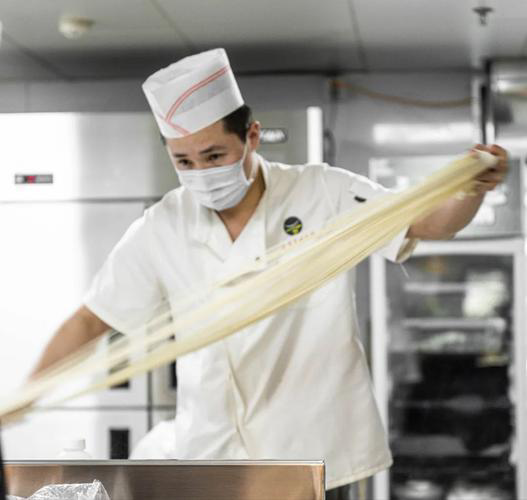
Cooking Essentials: Alkaline noodles are essential. After boiling, they’re tossed with oil and shaken apart to prevent clumping. When mixing in the sesame paste, a small amount of noodle broth is gradually added while stirring, ensuring even coating without lumpiness or greasiness.
5. Sichuan Dan Dan Noodles: The Street-Side Seduction of Spice and Numbness
Historical Origins: Originating in Zigong, Sichuan, in the late 19th century, Dan Dan noodles were sold by street vendors carrying poles ("dan") with cooking gear on each end—hence the name. Initially defined by bold "spicy, numbing, fresh, and fragrant" flavors, it later evolved in Chengdu into variants like "clear-broth Dan Dan," though the classic spicy version remains the favorite.
Flavor Profile: Though served with minimal broth, it packs immense complexity—dozens of ingredients including soy sauce, vinegar, sesame paste, chili oil, Sichuan pepper powder, minced garlic, scallions, preserved vegetable碎, and minced meat layer flavors that awaken the palate with every bite. Thin, slippery noodles carry this symphony of tastes effortlessly.
Cooking Essentials: Minced pork belly is stir-fried with preserved vegetables to make the "saozi" topping. Noodles are cooked just until al dente to avoid mushiness. Sichuan’s Hanyuan peppercorns must be freshly ground to deliver pure, tingling mala intensity.
6. Hangzhou Pian Er Chuan: Freshness from the Jiangnan Waterlands
Historical Origins: A native Hangzhou dish dating back to the Southern Song Dynasty, Pian Er Chuan was created by noodle shops in Lin’an (modern Hangzhou) to cater to southerners’ love for freshness. Toppings of sliced bamboo shoots, pork, and preserved mustard greens—each cut into "pian" (slices)—gave the dish its name. Today, it remains a signature at historic establishments like Kui Yuan Guan.
Flavor Profile: The magic lies in the topping: tender spring bamboo shoots, fragrant pork slices, and tangy preserved mustard greens simmered together into a broth that’s鲜 without being salty. Flat noodles soak up the broth, delivering clean, meaty savoriness without any greasiness—perfectly matching Jiangnan’s preference for delicate flavors.
Cooking Essentials: Early-harvest spring bamboo shoots are chosen for tenderness. Pork slices are first pan-seared to render fat before stir-frying with mustard greens and bamboo shoots. Boiling water is then added to create a naturally flavorful broth. Cooked noodles are topped immediately without rinsing, preserving warmth and texture.
7. Suzhou Ao Zao Noodles: Elegance from a Thousand-Year-Old Town
Historical Origins: Hailing from Zhouzhuang in Kunshan, Suzhou, "Ao Zao" has two origin theories: one says it means "mystery lies in the stove," the other that it derives from the local dialect term "ao zao" (meaning "messy"), referencing the humble yet delicious early noodle stalls. Traced back to the Qing Dynasty, it now stands as a quintessential Suzhou-style noodle.
Flavor Profile: Available in "red soup" and "white soup" styles—red soup is seasoned with soy sauce, sugar, and spices for a savory-sweet balance; white soup is made from simmered bones and chicken for clean, rich depth. Classic toppings include "bao yu" (crispy fried crucian carp) and braised duck—fish tender inside with a crisp crust, duck falling-off-the-bone tender—paired with fine noodles to showcase Suzhou cuisine’s refined artistry.
Cooking Essentials: "Dragon beard" noodles—fine yet resilient—are used. Crucian carp must be fresh, marinated in soy sauce before frying, then soaked in broth to absorb flavor. Duck is slow-braised in aged master stock for at least three hours until meltingly tender.
8. Henan Huimian: Hearty Comfort from the Central Plains
Historical Origins: Linked to military history, legend says Southern Song soldiers fighting the Jin dynasty stretched dough into wide strips and stewed them with lamb and vegetables—a quick, filling meal. This practical dish later spread among civilians, becoming Henan’s beloved staple, especially in winter: one bowl warms you from head to toe.
Flavor Profile: True to its name ("hui" means stewed), wide noodles mingle with lamb, vermicelli, kelp, tofu shreds, and greens in a rich lamb bone broth—deeply flavorful and nourishing. Mutton (from mountain goats) is used for its lack of gaminess and tender texture. A final sprinkle of white pepper and cilantro makes it both warming and deeply satisfying.
Cooking Essentials: Noodles are hand-pulled to about 2 cm wide, evenly thick and resistant to breaking. Lamb bone broth simmers vigorously with spices like angelica root and cardamom until milky white. During stewing, noodles go in first, followed by vegetables, ensuring everything cooks to perfection simultaneously.
9. Guangdong Wonton Noodles: Delicate Freshness of Lingnan Cuisine
Historical Origins: Emerging in late Qing Guangdong, wonton noodles fused northern "wontons" with southern noodles. Starting as street food, it later graced teahouse menus and became a Lingnan icon—so much so that locals say, “Eat in Guangzhou, savor in wonton noodles.”
Flavor Profile: It balances three elements: springy noodles, fresh wontons, and clear broth. Noodles are "bamboo-pole pressed" (zhugan mian)—thin yet chewy, with a subtle alkaline aroma. Wonton fillings combine shrimp and pork, wrapped in paper-thin skins that burst with juice upon biting. The broth, made from dried flounder, pork bones, and shrimp shells, is crystal-clear and delicately sweet, utterly pure.
Cooking Essentials: Bamboo-pole pressing involves repeated rolling for superior elasticity. Wonton wrappers must be tissue-thin yet sturdy enough to hold during boiling. Broth is meticulously skimmed of impurities, finished only with a pinch of salt and sesame oil to preserve its pristine clarity and sweetness.
10. Yanji Cold Noodles (Jilin): Icy-Sweet Refreshment from Northeast China’s Borderlands
Historical Origins: A Korean-Chinese specialty, Yanji cold noodles originated on the Korean Peninsula and arrived in Yanji, Jilin, during the late Qing/early Republic era. Local adaptations emphasized "sweet-sour icy refreshment," making it Northeast China’s ultimate summer cooler and Yanji’s culinary calling card—drawing countless tourists just to taste it.
Flavor Profile: The star is the "icy broth"—simmered from beef, apple, pear, and kimchi brine, then chilled with ice cubes for a bright, sweet-tart finish. Buckwheat noodles offer fine texture with pleasant chew, accompanied by beef slices, kimchi, apple slices, boiled egg, and cucumber threads. The combination is refreshingly complex—cooling, tangy, and appetite-whetting; one bite banishes summer heat completely.
Cooking Essentials: Buckwheat dough is mixed with warm water; cooked noodles are shocked in ice water for maximum chill. Broth requires perfect sweet-sour balance—apples and pears are cored and cubed to infuse natural fruitiness. Authentic Korean-style spicy kimchi adds tangy heat that elevates the entire dish.
Conclusion: One Bowl, a Chronicle of Chinese Culinary History
From Beijing’s Zhajiangmian to Yanji’s cold noodles, from Lanzhou’s beef noodles to Guangdong’s wonton noodles—these ten dishes offer not just gustatory pleasure but vivid snapshots of regional cultures. Some rose from humble street kitchens, others from military ingenuity, and some through ethnic fusion—yet all have matured over time into cherished "tastes of home" in the Chinese collective memory. On your next journey, follow the aroma of noodles to discover each city’s unique spirit—after all, nothing bridges the gap between traveler and town quite like a steaming bowl of noodles.